
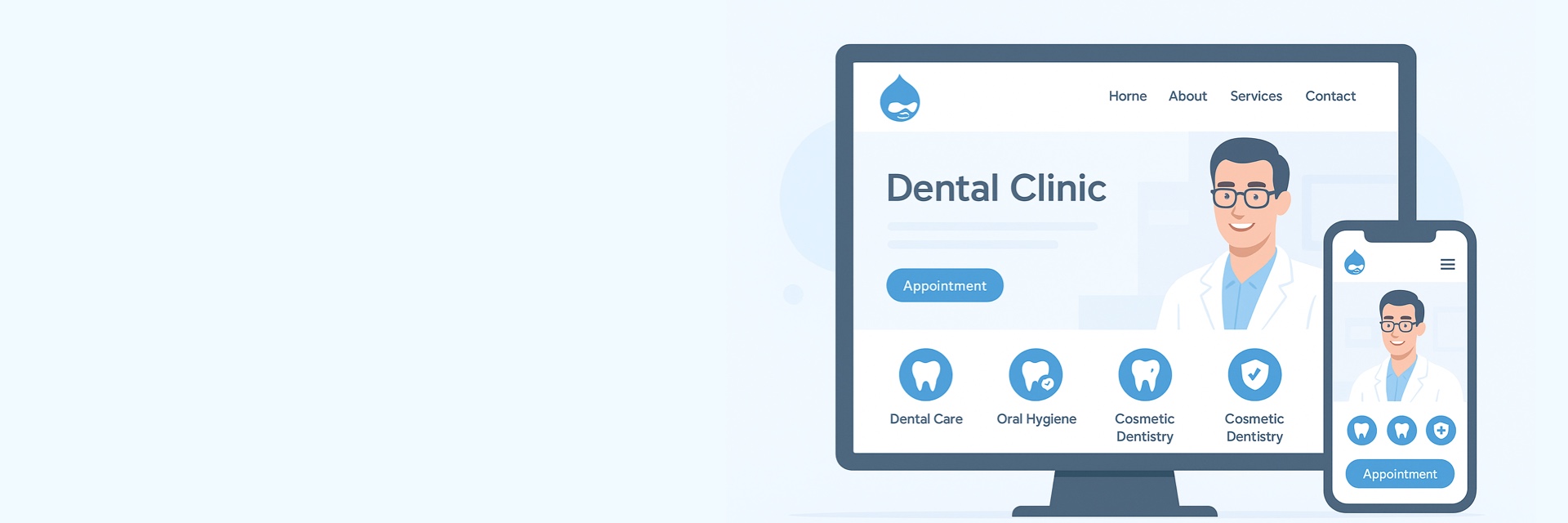
Why Drupal Is the Best Platform for Building Dentist and Clinic Websites
In today’s digital-first world, a dental practice or medical clinic’s website is often the first interaction a patient has with your brand. Whether they’re booking appointments, checking services, or reading reviews — your website needs to inspire trust, convenience, and credibility. That’s why choosing the right content management system (CMS) is critical.
Among the many CMS options available today, Drupal stands out as a powerhouse for building high-performance, secure, and scalable healthcare websites. From small local clinics to large hospital networks, Drupal website development offers everything you need to deliver a professional, compliant, and patient-friendly digital experience.
In this post, we’ll explore why Drupal is the best platform for building dentist and clinic websites, how it compares to other CMSs, and why partnering with a Drupal development agency or hiring a Drupal developer can help you unlock its full potential.
The Digital Transformation of Healthcare Websites
Patients today expect more than static websites. They look for:
- Easy online appointment booking
- Mobile-friendly interfaces
- Secure communication and data protection
- Clear service information and pricing
- Integration with CRM and telemedicine tools
- Personalized patient experiences
This shift means healthcare providers — including dentists and clinics — need a website that’s not only visually appealing but also technically robust and compliant with data privacy laws like HIPAA (in the U.S.) or GDPR (in Europe).
That’s exactly where Drupal shines.
Why Choose Drupal for Dentist and Clinic Websites?
1. Unmatched Security and Compliance
In the healthcare industry, data security isn’t optional — it’s mandatory. Patient information must be handled with utmost care to avoid breaches and comply with regulations.
Drupal is known for its enterprise-grade security and active security team, which continuously monitors and patches vulnerabilities. It’s one of the few CMS platforms trusted by governments, financial institutions, and hospitals alike.
Key Drupal security benefits for healthcare:
- Built-in user access controls and permissions
- Regular core and module security updates
- Database encryption options
- Support for SSL/TLS encryption
- Compliance with HIPAA and GDPR standards
When you hire a Drupal developer or work with a Drupal company, they can customize your site to meet regional compliance requirements — protecting both your clinic’s reputation and your patients’ data.
2. Scalability for Growing Clinics
As your dental practice expands — adding new branches, specialists, or services — your website must grow with you.
Drupal’s modular architecture allows seamless scalability. You can start small with essential pages (like services, contact, and appointment booking) and gradually add new functionalities such as:
- Patient portals
- Doctor directories
- Blog sections for oral health tips
- Integration with appointment management systems
- Online chat or teleconsultation features
Unlike some CMSs that struggle with high traffic or large content databases, Drupal handles growth effortlessly, making it perfect for clinics that plan to scale their operations.
3. Flexible Design and Customization
A great healthcare website needs to reflect your brand — calm, professional, and trustworthy. Drupal’s theming capabilities and custom content types give designers and developers complete freedom to create a unique look and feel.
You can work with a Drupal development agency to design:
- Custom patient forms
- Service-specific landing pages
- Responsive mobile layouts
- Multilingual interfaces
- Interactive before-and-after galleries for dental treatments
This flexibility ensures your website doesn’t look like every other clinic site built from a template — instead, it communicates your practice’s unique identity.
4. SEO-Friendly Architecture
Having a stunning website isn’t enough — patients need to find it online. Drupal is built with SEO best practices at its core, helping clinics rank higher in local and organic searches.
Drupal SEO features include:
- Customizable meta tags and URLs
- Automatic sitemap generation
- Mobile optimization (essential for Google ranking)
- Schema markup support for healthcare listings
- Integration with tools like Google Analytics and Tag Manager
For example, if someone searches “best dentist near me” or “dental implants in [your city],” a well-optimized Drupal website can help you appear at the top of results — bringing more patients through your digital door.
5. Performance and Speed
A fast website improves both user experience and SEO rankings. Patients won’t wait for a slow page to load — they’ll simply move on to another clinic’s site.
Drupal is built with performance optimization in mind. It includes features like:
- Advanced caching mechanisms (Dynamic Page Cache, BigPipe)
- Efficient database handling
- CDN (Content Delivery Network) integration
- Image optimization modules
When you hire a Drupal developer, they can further fine-tune your site’s performance to ensure instant page loads — even during peak traffic hours.
6. Multilingual Support for Global Clinics
If your clinic serves patients in multiple regions or languages, Drupal makes it effortless to deliver localized content. Its multilingual capabilities are among the best in any CMS.
You can create websites in multiple languages, manage translations easily, and even adjust content by region — ensuring every patient feels at home on your site.
7. Easy Content Management for Staff
Not all clinic staff are tech-savvy, but Drupal makes updating content simple. Its user-friendly admin interface allows team members to:
- Edit pages and blogs
- Update doctor profiles
- Add testimonials
- Manage appointment information
You can also assign different roles and permissions, so only authorized staff can access sensitive sections. For instance, the receptionist can manage appointments while the marketing team updates blog posts.
8. Integration with Third-Party Tools
Modern clinics rely on several software systems for patient management, billing, and communication. Drupal easily integrates with:
- CRMs like Salesforce or HubSpot
- Appointment scheduling tools
- Email marketing platforms (Mailchimp, SendinBlue)
- Payment gateways for online billing
- Patient management systems
This integration ecosystem ensures all your clinic’s digital operations work together smoothly.
9. Accessibility and User Experience
A medical or dental website must be accessible to everyone, including people with disabilities. Drupal supports WCAG (Web Content Accessibility Guidelines) standards by default, ensuring your website is inclusive and legally compliant.
Features like keyboard navigation, screen reader support, and alt text for images help improve usability for all visitors.
10. Community Support and Continuous Improvement
Drupal isn’t just software — it’s a global community of passionate developers, designers, and organizations. With thousands of contributed modules and an active forum, you’ll always have access to updates, best practices, and support.
Working with a Drupal company ensures your clinic website remains future-ready, as the platform evolves continuously to meet new digital trends and healthcare regulations.
Real-World Examples of Drupal in Healthcare
Drupal powers several major healthcare websites globally, proving its reliability and scalability:
- Johnson & Johnson uses Drupal to manage multilingual content across global markets.
- Pfizer runs its corporate website on Drupal for secure, large-scale content management.
- American Medical Association (AMA) relies on Drupal for its extensive member and content portal.
For local dental and clinic websites, this means you’re using the same trusted technology as world-leading healthcare organizations — just tailored to your scale and needs.
Tips for Building an Effective Drupal Website for Your Clinic
Here are some practical strategies when planning your site with a Drupal development agency:
1. Start with User Research
Understand your patients’ digital habits — what information they seek most, how they navigate, and what makes them book appointments online.
2. Focus on Mobile-First Design
Most patients search for clinics on smartphones. Ensure your Drupal site offers seamless mobile navigation, quick access to contact info, and a click-to-call feature.
3. Add Clear CTAs (Calls-to-Action)
Guide visitors toward key actions:
- “Book an Appointment”
- “Meet Our Dentists”
- “Read Patient Reviews”
- “Contact Us Today”
4. Leverage Local SEO
Optimize your site for local search terms like “dentist in [city]” or “emergency dental care near me.”
Add your clinic’s address, Google Maps integration, and local reviews.
5. Showcase Trust Factors
Display credentials, before-and-after photos, insurance partners, and verified patient testimonials — all easily managed through Drupal’s flexible content system.
6. Invest in Maintenance
Healthcare websites require ongoing updates for security, performance, and compliance. Partner with a Drupal company that offers regular maintenance and support services.
Why Hire a Drupal Developer or Drupal Development Agency?
While Drupal offers immense flexibility, building a professional healthcare website requires expertise in:
- Module configuration and theme customization
- Performance optimization
- Security hardening
- API and third-party integrations
A skilled Drupal developer or Drupal development agency can:
- Architect your website to meet compliance needs
- Design patient-friendly interfaces
- Implement advanced features like appointment portals or CRM sync
- Provide long-term maintenance and upgrades
This partnership ensures your clinic website not only looks professional but also performs reliably over time.
The Future of Drupal in Healthcare Web Development
As healthcare increasingly embraces digital transformation, Drupal continues to evolve with features like:
- Headless CMS capabilities for app integration
- AI-driven personalization for patient experiences
- Enhanced analytics and reporting tools
- Improved accessibility and multilingual support
This means your clinic’s website built on Drupal today will remain future-ready for years to come.
Conclusion: Build a Patient-First Clinic Website with Drupal
For dental and healthcare professionals looking to establish a strong digital presence, Drupal website development offers the ideal combination of security, flexibility, scalability, and SEO performance.
From single-practice clinics to large hospital networks, Drupal empowers you to deliver a seamless, trustworthy, and patient-centric experience online.
Whether you’re launching a new site or revamping an outdated one, partnering with an experienced Drupal development agency or choosing to hire a Drupal developer can make all the difference in turning your digital vision into reality.
Ready to build a powerful and compliant clinic website?
Get in touch with a trusted Drupal company today and transform your dental practice into a digital success story.